
Ultrasonic vs hose testing: which hatch cover leak test is best?
Both tests check whether a ship’s hatch covers keep water out, but they work very differently. A hose test sprays water at the seals and checks inside the hold for water getting through. An ultrasonic test uses high-frequency sound instead: wherever sound escapes, water could get in. For most surveys, ultrasonic testing is quicker, cleaner and more precise – it pinpoints each leak, shows how big it is, and can be done with cargo already in the hold.
This guide compares the two methods of leak detection of hatch covers, so you can decide which suits your survey.
What is a hose test?
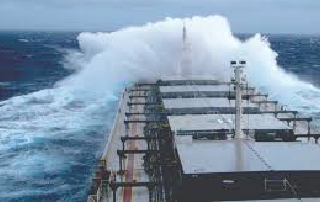
The hose test is the traditional way of checking hatch cover tightness. With the covers closed and secured, a jet of water is directed at the joints and seals from outside, while someone inside the hold looks for water coming through.
It’s simple and needs little more than a hose and a water supply. But because it relies on water, the hold usually needs to be empty, and the test gives a fairly basic answer: water either got in, or it didn’t.
What is an ultrasonic hatch cover test?
An ultrasonic test uses sound rather than water. A transmitter placed inside the closed hold fills the space with ultrasound – sound at a frequency too high for people to hear. A surveyor on deck then scans every seal and joint with a handheld receiver.
Where ultrasound escapes, the reading rises. The stronger the signal, the bigger the gap. For the full process, see our step-by-step guide to UT hatch tightness testing, or start with what an ultrasonic hatch cover tester is.
Ultrasonic vs hose testing: side by side
| Hose test | Ultrasonic test | |
|---|---|---|
| Uses water | Sí | No |
| Run-off into the port | Sí | None |
| Cargo in the hold | Usually not possible | Sí |
| Sub-zero temperatures | Not practical | Sí |
| Pinpoints the leak | Roughly | Precisely |
| Shows how big the leak is | No | Yes – in dB or as a percentage of the Open Hatch Value |
| Clean-up afterwards | Sí | No |
Where does hose testing fall short?
The hose test has served the industry for a long time, but it has some clear limitations:
- Water and cargo don’t mix. Spraying water at the covers of a loaded hold risks damaging the very cargo you’re trying to protect.
- Freezing conditions. In sub-zero temperatures, hose testing isn’t practical.
- Run-off. Water goes over the side and into the port or harbour.
- Limited detail. It tells you water got in, but not exactly where along the seal, or how serious the gap is.
Is there still a place for the hose test?
Yes. The hose test is familiar, cheap to carry out and needs no specialist equipment. Some owners, charterers or surveyors may still ask for one, and it can be a useful visual check.
But where precision, speed or testing with cargo on board matters, ultrasonic testing has the edge.
What about the chalk test?
The chalk test is often mentioned alongside hose and ultrasonic testing, but it checks something different. Chalk is applied to the compression bar, and the cover is closed. When it’s opened again, the chalk mark on the rubber packing shows whether the seal is making even contact all the way round.
It’s a useful check on seal contact and compression, but it doesn’t test whether the cover is actually watertight. That’s why it’s usually used alongside a tightness test, not instead of one.
So which hatch cover leak test is best?
For most routine surveys, ultrasonic testing is the better choice. It:
- finds each leak precisely and shows how big it is
- works with cargo in the hold and in freezing weather
- uses no water, so there’s no run-off and no clean-up
- gives readings that can be recorded and compared between holds and ships
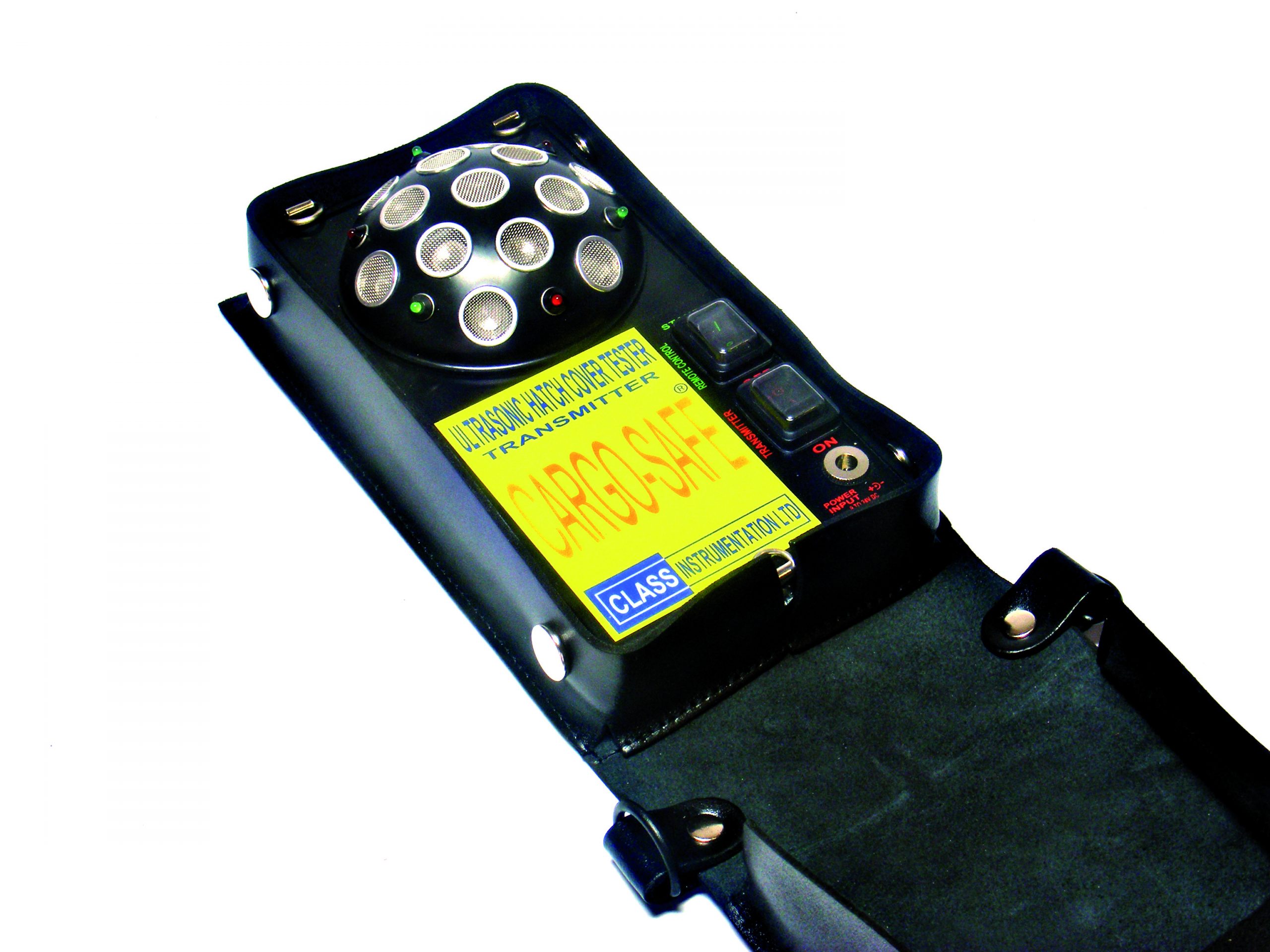
CARGO-SAFE™, designed and made in Britain by Class Instrumentation, is an ABS Type Approved ultrasonic hatch cover tester that complies with IACS UR Z17. Its 157 dB transmitter is powerful enough for any size of hold.